My Dog Town: Animal Sim Games
- 4.3
- Rating
- 1.00M
- Installs
- Free
- Price

 Analysis by App-foxy
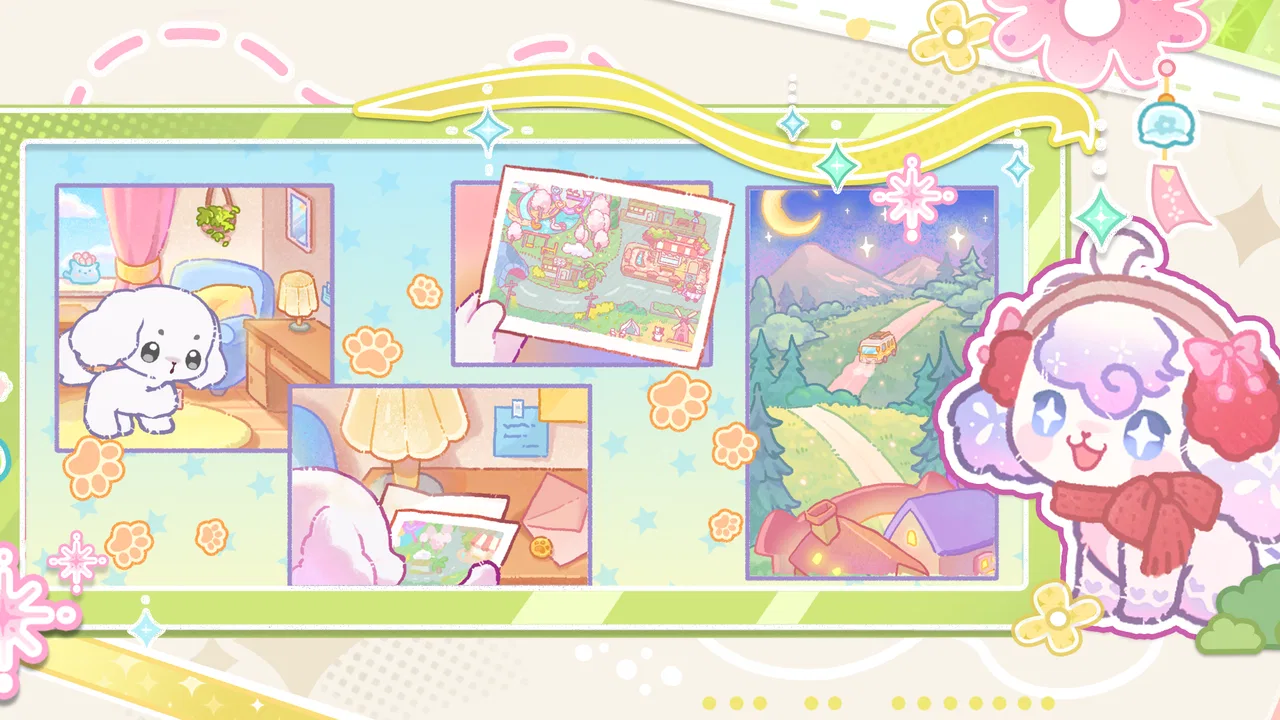
I went into My Dog Town: Animal Sim Games expecting a gentle role-playing game built around cute dogs, and that is exactly the kind of experience it offers. The central appeal is simple: you create and decorate homes for dogs, then spend time shaping a small, friendly town around them. It is not trying to replace a deep, combat-heavy RPG. Instead, it sits closer to a relaxed animal life simulator, with decorating and routine management doing most of the work.
That distinction matters before you install it. If you want fast battles, complicated character builds, or a story that constantly pushes you forward, this will probably feel too quiet. If you enjoy arranging rooms, improving a place gradually, and checking in for a short, cheerful session, the design makes much more sense. I found it easiest to enjoy when I treated each visit as a small creative project rather than a race to unlock everything.
The game is free to download and is aimed at Everyone, so it is approachable for families as well as adults who want something low-pressure. It comes from kunping and belongs to the role-playing category, although its role-playing identity is expressed through caring for a dog-filled setting and developing homes rather than through traditional combat. The store summary describes the core idea as building and decorating dog homes, while the short description presents it as My Dog Town.
You May Also Like

 Blood Strike: 2.5 Anniversary
Blood Strike’s Loadouts Turn Every Drop Into a Tactical Gamble
A close look at Blood Strike’s custom loadouts: how fast access to signature weapons reshapes its battle royale rhythm, rewards preparation, and narrows the gap between fights.

 Pandora - Music & Podcasts
Pandora’s Music Is Easy to Start, but Harder to Recover
Pandora’s strength is its low-effort path from a seed to a station. Its weak spot is how much confidence it asks you to place in connection, setup, and quiet recovery.

 8 Ball Pool
 Is Built on Rivalries, Rematches, and Routine
A close look at the rivalries, rematches, shared routines, and unanswered safety questions that turn a quick pool match into a persistent mobile community.

 Samsung Music
’s Quiet Strength Is Playing What You Already Own
Its reach comes less from spectacle than from dependable access to a personal library. That simplicity is both the app’s strongest retention engine and its ceiling.

 AccuWeather: Weather Radar
AccuWeather Review: A Quick, Clear Forecast for Everyday Decisions
For everyday plans, the best forecast is the one you can understand quickly. AccuWeather makes rain timing, radar, and local conditions easy to act on, with a few trade-offs.

 Hill Climb Racing
Why Hill Climb Racing Still Turns Crashes Into One More Run
A tiny car, a bumpy hill and one more upgrade: Hill Climb Racing keeps resurfacing because its simple chaos makes every near-miss feel personal.
More From Our News Desk
View All News


How the everyday play loop feels
My basic routine was to open the game, look at the current state of the town, decide which home or decoration deserved attention, and then make a few changes before leaving. That sounds modest, but it is the reason the game works as a casual experience. I did not need a long uninterrupted session to feel that I had accomplished something. A quick visit can be about one room, one visual improvement, or one small step toward making the town feel more personal.
The strongest part of this workflow is the sense of ownership created by decorating. A home is not just a screen to pass through; it becomes the place where your choices are visible. I recommend beginning with a clear purpose for each space instead of placing every available item immediately. For example, I might decide that one area should feel cozy, while another should leave more open room around the dog. This makes later changes easier because I am working toward a look rather than randomly filling gaps.
A realistic use case is a short evening break. After finishing work or school, I can spend a few minutes adjusting a dog home without committing to a long quest or difficult challenge. The game suits that moment because the reward is visual and immediate: the space looks a little more like mine when I finish. It is also a reasonable choice for someone who wants a game that can be shared casually with a younger player, provided the adult is comfortable with the optional purchase model.
One useful habit is to separate “progress” from “decoration.” When I try to improve both at once, I tend to spend resources or attention too quickly. A better pattern is to make the necessary change first, then use the remaining time to experiment with appearance. That approach reduces the feeling that every choice has to be perfect. It also helps when the town starts to offer more visual possibilities and the number of decisions becomes less obvious.
There is a trade-off here. The relaxed structure is welcoming, but it can feel light if you need constant objectives. The game’s pleasure comes from gradual improvement and personal arrangement, not from dramatic surprises every few minutes. I would recommend it to someone who enjoys a calm pace, but I would point a competitive player toward a more systems-heavy role-playing game instead.
Settings I would check before settling in
My first advice is to review the available settings before beginning a longer decorating session. Even in a simple game, sound and notification choices can change how comfortable the experience feels. I prefer to keep the audio at a level that lets the game remain pleasant without becoming distracting, especially when I am playing during a break or while another person is nearby. If the device offers notification controls for the game, I would also decide whether reminders are helpful or whether they make the experience feel like an obligation.
Device compatibility is straightforward for many players because the minimum operating system is Android 7.0. That makes the game accessible on a broad range of Android phones and tablets, although the actual comfort of play will still depend on the device’s screen size and general performance. A larger display is particularly useful for decorating because it gives me more room to inspect the layout and tap accurately. On a smaller phone, I prefer making changes in short bursts rather than trying to reorganize an entire home at once.
I also recommend checking purchase protections before handing the game to a child. The download is free, but optional in-app items range from $0.99 to $59.99 each. That is a meaningful difference between “free to try” and “free of spending considerations.” I would keep purchases locked behind the device’s normal approval process and explain that decorating progress does not need to be rushed. This is less about avoiding the game and more about making sure the payment model fits the household.
The age rating of Everyone makes the presentation broadly accessible, but an age label does not replace supervision around purchases or screen time. For a younger player, I would set a simple routine: choose a decorating goal, play for an agreed period, and stop when that goal is complete. That keeps the game from turning into repeated requests for new items. For adults, the same habit helps prevent casual spending caused by trying to finish a room immediately.
One setting-related insight is that comfort matters more than maximum activity. I would rather play with a calm audio balance and a clear screen than leave every option active simply because it is available. The game is at its best when it feels like a relaxing visit to a personal space. Settings that make it feel urgent work against that strength.
Faster patterns for decorating without losing the fun
Experienced play here is not about complicated button combinations. It is about repeating a sensible order of decisions. I begin by checking the functional or required part of the current task, then I place the largest visual elements, and only afterward do I handle smaller decorative choices. This prevents tiny items from getting in the way of a layout that still needs major changes.
Another efficient pattern is to leave breathing room. New players often assume that a successful dog home should contain as many objects as possible. I found that a less crowded arrangement is easier to read and easier to revise. Open space also makes the dog and the main furniture stand out, which usually gives the room a more intentional appearance. If I later unlock or obtain something I like better, I have somewhere to place it without rebuilding everything.
I also suggest taking a quick mental snapshot before changing a room. I look at what already works, identify the one part that bothers me, and change only that first. This sounds obvious, but it avoids the common mistake of dismantling a pleasant arrangement because one corner feels unfinished. Small, reversible edits are especially useful when I am playing on a phone and do not want to spend a long time correcting accidental placements.
A practical routine for a busy day is to use three passes. The first pass is for checking what needs attention. The second is for completing one meaningful improvement. The third is for a quick visual cleanup: moving an item, balancing a corner, or removing something that makes the room feel crowded. I do not treat every visit as a full redesign. That keeps the game relaxing and makes progress feel steady.
There is also a useful psychological advantage to giving each session a theme. One visit might focus on comfort, another on color balance, and another on making the town feel less empty. The game becomes more engaging when I create my own small objectives. This is one of the clearest differences from a conventional role-playing game, where the next goal is usually supplied by quests, battles, or a story marker.
For players who want to spend money, I would still recommend deciding on a personal limit before browsing optional items. The broad price range means a small purchase and a much larger purchase are both possible, so impulse decisions can change the nature of the experience. I prefer to see whether a new item genuinely improves a room before treating it as necessary. In a decorating game, patience is often more valuable than immediately buying the most noticeable option.
Where the relaxed design reaches its limits
The same simplicity that makes the game approachable can limit its appeal over time. If you expect a deep role-playing system, you may find the town and homes more important than traditional progression mechanics. The category label sets one expectation, but the actual experience is much closer to a cozy management and decorating game than to a party-based adventure. That is not a flaw by itself; it simply means the game should be judged by the quality of its creative routine.
I would also be cautious if you dislike repetitive tasks. A decoration-focused game naturally asks you to revisit similar spaces and make gradual changes. Some players will find that soothing, while others will see it as a lack of variety. I enjoyed the repetition when I had a visual goal, but a session without a clear idea of what I wanted to improve could feel less satisfying.
The free-to-play structure is another limit. The game can be sampled without paying, but the presence of purchases means the experience may not suit someone looking for a completely self-contained premium game. Families should pay particular attention to the possible cost of individual items. Adults who dislike any form of optional monetization may prefer a paid alternative with a single upfront price, even if that alternative offers fewer updates or less flexibility.
It is also not the best choice for someone seeking a strong narrative. I did not approach it expecting a complex plot, and I think that is the healthiest way to play. The emotional connection comes from the dogs and the spaces you create, not from following a demanding storyline. If your favorite games are driven by dialogue, mysteries, or dramatic character arcs, this may feel more like a pleasant side activity than a main game.
Compared with a traditional role-playing title, this one asks less of your reflexes and more of your patience. Compared with a pure decoration app, it gives the setting a stronger identity through its dog-centered town. That middle position is its most useful selling point. It offers more context than a blank interior-design tool, but less mechanical depth than a conventional RPG. I would choose it when I want a friendly theme and creative control together.
The developer, kunping, has positioned the game in a space where accessibility matters more than complexity. The current version is 1.0.19, and the game has already reached over one million installs, with a 4.0 average from around 1.7 thousand ratings. Those figures suggest that the basic concept has found an audience, but they do not change my main advice: decide whether you enjoy slow visual progress before committing to long-term play.
Who will enjoy it, and who should skip it
I think it is a good fit for players who like dogs, home decoration, and games that can be enjoyed in short sessions. It is especially suitable for someone who wants to make choices without worrying about losing a battle or failing a timed challenge. A child and parent can also use it as a shared creative activity, with the adult handling purchase controls and the child choosing the look of a room.
It may also work for players moving from simple mobile games into role-playing experiences. The town gives the game a sense of development without demanding that the player learn a complicated build system. I found that the gentle structure makes it easy to return after a break because I do not need to remember a long chain of objectives.
I would skip it if you need constant action, competitive pressure, or a large amount of strategic depth. I would also look elsewhere if you want a game that can be completed in a clearly defined campaign. The open-ended decorating loop is the point, but that same openness can feel directionless to people who prefer a strong finish line.
Storage and battery expectations are worth considering in the ordinary way for any mobile game, but the more important practical question is your tolerance for repeated visual management. The best experience comes from giving yourself permission to make imperfect rooms and revise them later. If you feel compelled to optimize every placement immediately, the relaxing design can become surprisingly demanding.
My verdict after building a routine around it
My Dog Town: Animal Sim Games is a pleasant, approachable role-playing game with decorating at its heart. I like that it gives a clear identity to the usual mobile home-building loop: the spaces are made for dogs, and that theme keeps the experience warmer than a generic furniture-placement game. The strongest sessions are short, purposeful, and personal. I open it with one small idea, improve one area, and leave before the activity becomes a chore.
The game is free, available for Everyone, and supported on Android devices beginning with version 7.0. Its popularity is reflected in more than one million installs, while its 4.0 average rating shows a generally positive reception without suggesting that it will satisfy every kind of player. The optional purchase range deserves attention, particularly in a family setting, so I would configure spending controls before letting a child explore independently.
My final recommendation is simple: try it if the idea of building a dog-centered town sounds more appealing than fighting through another conventional RPG. Use a clear decorating routine, keep rooms uncluttered, and treat purchases as optional rather than necessary. The real strength is the calm, repeatable creative loop, not depth disguised as complexity. For me, that makes it an easy game to recommend for relaxed breaks, while action fans and story-focused RPG players should choose something more demanding.
FAQs for My Dog Town: Animal Sim Games
01What is My Dog Town: Animal Sim Games about?
My Dog Town: Animal Sim Games is a delightful simulation game where players can interact with a variety of dog breeds, manage a virtual pet town, and take care of their furry friends. The game offers engaging tasks such as feeding, grooming, and playing with the dogs, providing an immersive pet-owning experience.
02Is My Dog Town suitable for children?
Yes, My Dog Town is designed to be a family-friendly game, suitable for children and adults alike. The game features adorable graphics, simple controls, and educational content about dog care, making it an ideal choice for younger players who love animals and want to learn more about pet responsibilities.
03Does My Dog Town require an internet connection?
While My Dog Town can be played offline for the most part, certain features like in-game purchases, leaderboards, and special events may require an internet connection. It's recommended to have a stable connection to enjoy all the game's features and stay updated with the latest content.
04Are there in-app purchases in My Dog Town?
Yes, My Dog Town offers in-app purchases that can enhance the gameplay experience. Players can buy items like special dog breeds, accessories, and additional resources. While these purchases can provide extra fun, they are not necessary to enjoy the game, as it can be played fully without spending money.
05How does My Dog Town handle user data and privacy?
My Dog Town takes user privacy seriously and complies with all standard data protection regulations. The game collects minimal personal information required for gameplay and uses it solely to improve the user experience. Players are encouraged to review the privacy policy to understand what data is collected and how it is used.
Pros
- Engaging pet simulation gameplay.
- Diverse selection of dog breeds.
- Colorful and charming graphics.
- User-friendly interface design.
- Regular updates with new content.
Cons
- In-app purchases can be pricey.
- Some ads disrupt gameplay.
- Limited offline features.
- Occasional bugs and crashes.
- Requires constant internet connection.

My Dog Town: Animal Sim Games
Gallery